A pro gaming headset is a critical piece of equipment that significantly enhances competitive performance by providing precise audio cues and crystal-clear communication. These headsets offer distinct advantages, whether wired for zero latency or wireless for freedom of movement with low-latency 2.4GHz connections. Understanding features like directional audio, microphone clarity, and comfort is essential for serious gamers aiming to dominate leaderboards.
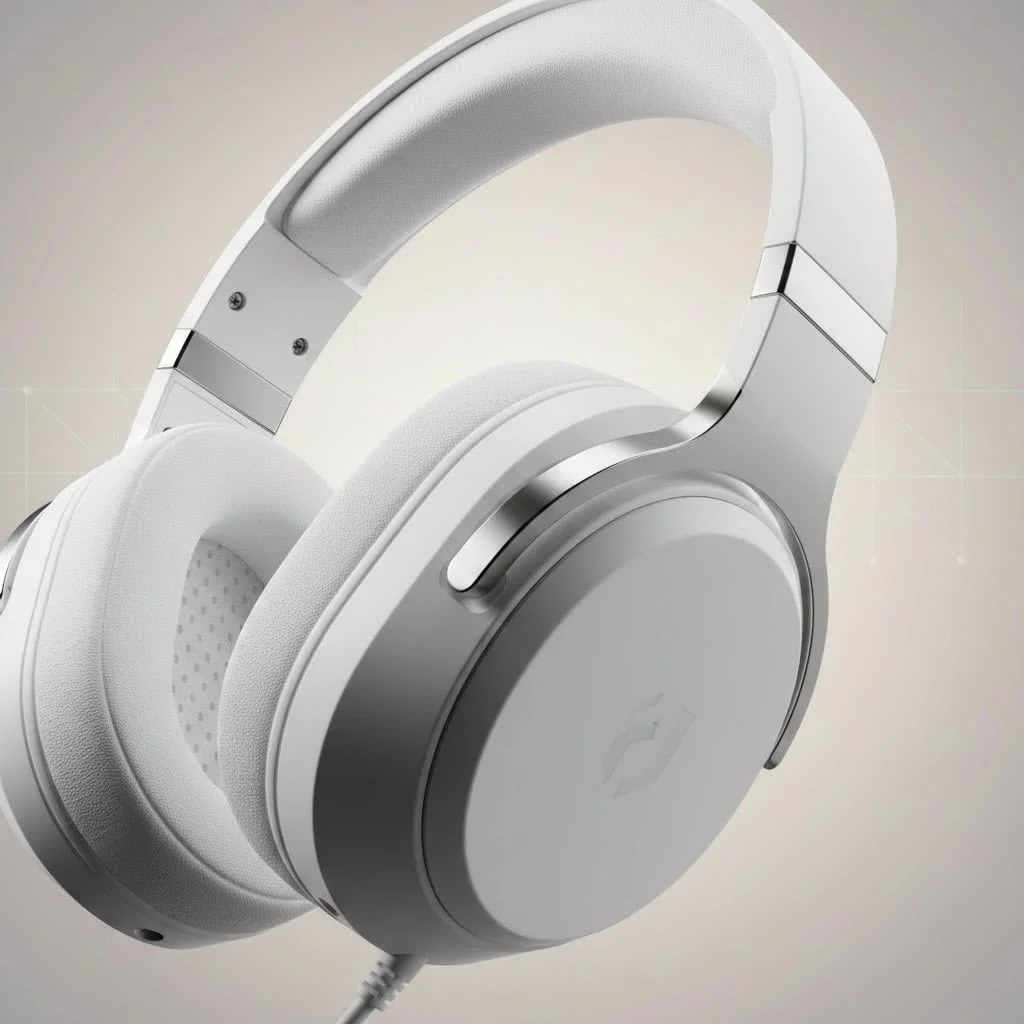
Wired vs. Wireless: The Pro’s Conundrum
The age-old debate continues: wired or wireless? For professional gamers, this isn’t just about convenience; it’s about performance. Each option offers distinct advantages and trade-offs. For best reviews roundups on this site.
Wired Headsets: Uncompromised Performance
When it comes to competitive gaming, many pros still lean towards wired headsets, and for good reason. The primary advantage is zero latency. There’s no signal delay between your game and your ears, which is crucial for split-second reactions in fast-paced titles. Think about hearing that enemy footstep precisely when it happens—not a millisecond later. Wired connections also offer incredibly consistent audio quality, free from potential wireless interference or dropouts. Plus, you never have to worry about battery life; just plug in and play, ready for those marathon sessions. Generally, wired options can also deliver superior sound fidelity at a more accessible price point because the technology isn’t battling compression or transmission challenges.
However, wired headsets do come with their own set of inconveniences. Cables can restrict movement, tangle around your chair, or clutter your desk, which can be a minor annoyance or a significant distraction, depending on your setup and play style.
Wireless Headsets: Freedom and Advanced Features
Wireless technology has advanced leaps and bounds, making modern wireless headsets incredibly viable for serious gamers. The most obvious benefit is the unparalleled freedom of movement and a wonderfully clutter-free setup. No more wrestling with cables when you need to stretch or grab a drink. For competitive play, it’s essential to look for headsets using a low-latency 2.4GHz wireless connection, which minimizes delay to near-imperceptible levels. Bluetooth, while convenient for mobile gaming or listening to music, typically introduces too much latency for high-stakes competitive PC or console gaming.
The main trade-off with wireless headsets is battery life; forgetting to charge can spell disaster mid-match. While most premium models offer excellent battery endurance (often 50+ hours), it’s still a consideration. Top-tier wireless headsets often come at a premium price compared to their wired counterparts, primarily due to the integrated wireless technology and advanced power management systems.
“For esports, absolute minimal latency is king. While 2.4GHz wireless has closed the gap significantly, if you demand every single millisecond of advantage, wired remains the purest connection,” advises Alex “Apex” Chen, Lead Gear Analyst at Efuks.com.
What Makes a Pro Gaming Headset Truly Elite?
Beyond the wired vs. wireless debate, several critical factors distinguish a mediocre headset from a true pro gaming headset.
Audio Precision: Hearing Every Footstep
|
Our Picks for the Best Gaming Headset in 2026
As an Amazon Associate I earn from qualifying purchases.
|
||
| Num | Product | Action |
|---|---|---|
| 1 | Razer BlackShark V2 X Gaming Headset: 7.1 Surround Sound - 50mm Drivers - Memory Foam Cushion - for PC, PS4, PS5, Switch - 3.5mm Audio Jack - Green |

|
| 2 | Gtheos 2.4GHz Wireless Gaming Headset for PS5, PS4 Fortnite & Call of Duty/FPS Gamers, PC, Nintendo Switch, Bluetooth 5.3 Gaming Headphones with Microphone for Mobile, Stereo Sound (Blush Pink) |
|
| 3 | Razer BlackShark V2 X PlayStation Gaming Headset: 50mm Drivers - Cardioid Mic - Lightweight - Comfortable Noise Isolating Earcups - for PS5, Xbox Series X, PC, Switch via 3.5 mm Jack - Quartz Pink |
|
| 4 | Razer BlackShark V2 X PlayStation Gaming Headset: 50mm Drivers - Cardioid Mic - Lightweight - Comfortable, Noise Isolating Earcups - for PS5, Xbox Series X, PC, Switch via 3.5 mm Audio Jack - White |
|
| 5 | Gtheos 2.4GHz Wireless Gaming Headset for PS5, PS4 Fortnite & FPS Gamers, PC, Nintendo Switch, Bluetooth 5.3 Gaming Headphones with Noise Canceling Mic, Stereo Sound, 40+Hr Battery (Pink) |
|
| 6 | Gtheos 2.4GHz Wireless Gaming Headset for PS5, PS4 Fortnite & Call of Duty/FPS Gamers, PC, Nintendo Switch, Bluetooth 5.3 Gaming Headphones with Noise Canceling Mic, Stereo Sound, 40+Hr Battery -White |
|
| 7 | Gtheos 2.4GHz Wireless Gaming Headphones for PS5, PS4 Fortnite & Call of Duty/FPS Gamers, PC, Nintendo Switch, Bluetooth 5.3 Gaming Headset with Noise Canceling Mic, Stereo Sound, 40+Hr Battery -Black |
|
| 8 | Razer BlackShark V2 X Gaming Headset: 7.1 Surround Sound - 50mm Drivers - Memory Foam Cushion - For PC, PS4, PS5, Switch - 3.5mm Audio Jack - Black |
|
| 9 | Gtheos 2.4GHz Wireless Gaming Headset for PS5, PS4 Fortnite & Call of Duty/FPS Gamers, PC, Nintendo Switch, Bluetooth 5.3 Gaming Headphones with Mic, Stereo Sound, Red Light -BlackRed |
|
| 10 | Gtheos 2.4GHz Wireless Gaming Headset for PS5, PS4 Fortnite & Call of Duty/FPS Gamers, PC, Nintendo Switch, Bluetooth 5.3 Gaming Headphones with Microphone for Computer, Mobile, Stereo Sound (Camo) |
|
This is the bedrock of competitive audio. You need to hear everything, and hear it accurately.
- Frequency Response: A balanced frequency response across the standard 20Hz-20kHz range is key. For competitive FPS games, you want clarity in the mid-high frequencies to pinpoint footsteps, reloads, and distant gunfire. Too much bass can muddy these crucial sound cues, though a boosted bass can certainly enhance immersion in single-player RPGs. Some high-end headsets may extend beyond this range, but the quality of reproduction within the audible spectrum is far more important than the raw numbers.
- Directional Audio/Spatial Sound: This is perhaps the most vital feature for competitive advantage. Technologies like Dolby Atmos for Headphones or THX Spatial Audio create an immersive, 3D soundscape, allowing you to accurately pinpoint enemy positions based on sound alone. This isn’t just about hearing; it’s about knowing where they are.
- Drivers: Most headsets use dynamic drivers, but some premium options, like the Audeze Maxwell Wireless, utilize planar magnetic drivers. These can offer superior detail, faster response times, and less distortion, providing an audiophile-grade experience that translates beautifully into gaming.
- Impedance: Most gaming headsets are designed with a 32Ω impedance, making them easy to drive directly from your PC or console without extra amplification. If you’re considering a dedicated DAC/AMP setup, you might explore headsets with higher impedance for even richer, more detailed sound.
- Sensitivity: Around 100 dB SPL/mW is a good sweet spot for gaming headsets, ensuring they can get plenty loud without needing excessive power and reducing the risk of distortion.
Crystal-Clear Communication: Your Team Depends On It
In team-based games, your voice is as important as your aim. A poor microphone can cost you matches.
- Microphone Quality: Look for detachable boom microphones with clear voice pickup and effective noise cancellation. Features like S.M.A.R.T. Noise-Cancelling or Logitech’s Blue VO!CE technology dramatically improve clarity by filtering out background distractions.
- Essential Controls: Easy-to-access flip-to-mute functions and dedicated game/chat mix controls are indispensable for seamless communication adjustments on the fly.
Unrivaled Comfort for Marathon Sessions
It doesn’t matter how good a headset sounds if it’s uncomfortable after an hour. Professional gamers often endure multi-hour sessions, so comfort is non-negotiable.
- Lightweight Design: Minimizes strain on your head and neck.
- Memory Foam Earcups: Provide a snug, comfortable seal while reducing pressure. Some headsets, like the HyperX Cloud II, even offer interchangeable earcups for different comfort preferences.
- Adjustable Headbands: Ensure a perfect fit for any head size.
- Closed-back vs. Open-back: Most gaming headsets are closed-back, offering superior passive noise isolation and punchier bass, keeping you immersed. While rarer, open-back designs can offer a wider, more natural soundstage, but they leak sound and don’t block out ambient noise, making them less ideal for noisy environments or team play.
Durability and Build Quality: Built to Last
A pro gaming headset is an investment. You need robust construction with premium materials that can withstand the rigors of competitive play and travel. Reinforced headbands, high-quality plastics, and sturdy ear cup hinges are indicators of a durable product.
Connectivity Options: Versatility is Key
Modern pro gaming headsets offer a variety of connectivity options to suit different platforms and preferences.
- Wired: 3.5mm analog for universal compatibility, USB for digital audio with integrated DACs, and optical for high-fidelity console connections.
- Wireless: A dedicated 2.4GHz USB dongle for low-latency PC/console gaming, and Bluetooth 5.2 (or newer) for mobile devices or casual listening. Multi-platform compatibility is a huge plus, allowing one headset to seamlessly switch between your PC, PlayStation, and Xbox.
Battery Life (for Wireless): Powering Through the Night
For wireless users, substantial battery life is crucial. Many top-tier wireless headsets boast 50+ hours, with some even offering quick-charge capabilities or innovative features like hot-swappable batteries (e.g., SteelSeries Arctis Nova Pro Wireless) so you truly never run out of juice.
Software and Customization: Fine-Tuning Your Experience
Companion software can unlock a headset’s full potential. Look for intuitive software suites that allow you to:
- Equalizer (EQ) Settings: Customize sound profiles for different games or music genres.
- Sound Profiles: Create and save presets for competitive FPS, immersive RPGs, or even media consumption.
- Microphone Enhancements: Adjust noise gate, compression, and sidetone to perfect your voice clarity.
Top Contenders in the Pro Gaming Headset Arena
The market for pro gaming headsets is fiercely competitive, with several brands pushing the boundaries of audio technology and comfort. Here at Efuks, we’ve had our hands (and ears) on the best of the best.
Efuks Apex Audio Series
Our very own Efuks Apex Audio Series is designed from the ground up for the discerning pro gamer. With custom-tuned 50mm dynamic drivers, the Apex delivers unparalleled directional audio, making every enemy movement audible and pinpointable. Our proprietary TruSpeak™ microphone technology ensures your callouts are crystal clear, even in the most chaotic team fights. Coupled with luxurious memory foam earcups and a lightweight, durable frame, the Apex offers comfort and performance that stands shoulder-to-shoulder with any top-tier competitor.
Razer BlackShark V2 Pro
The Razer BlackShark V2 Pro is a phenomenal wireless option, often praised for its exceptional wireless microphone quality and impressive battery life. Its THX Spatial Audio provides excellent positional awareness, making it a favorite among FPS players. It’s also incredibly lightweight and comfortable for extended gaming marathons.
SteelSeries Arctis Nova Pro Wireless
If you’re seeking a premium wireless experience with all the bells and whistles, the SteelSeries Arctis Nova Pro Wireless is a strong contender. It boasts dual wireless connections, active noise cancellation (ANC), and unique hot-swappable batteries, ensuring you’re never tethered by a charging cable. The sound profile is excellent, and the included base station offers impressive versatility across multiple platforms.
Audeze Maxwell Wireless
For audiophiles who demand the absolute best, the Audeze Maxwell Wireless stands out with its planar magnetic drivers and support for Hi-Res Bluetooth codecs like LDAC. This headset delivers an incredibly detailed and rich soundstage, translating into a deeply immersive gaming experience with superb audio fidelity that few can match.
Logitech G Pro X 2 LIGHTSPEED
Logitech’s G Pro X 2 LIGHTSPEED is another top-tier wireless headset, featuring graphene drivers for precise audio reproduction and the acclaimed Blue VO!CE microphone technology for studio-quality voice communication. Its accurate spatial audio cues and robust software customization options make it a powerful tool for competitive play.
HyperX Cloud III
The HyperX Cloud III (and its predecessor, the Cloud II) remains a staple for its incredible comfort, reliable performance, and excellent value. While primarily wired, it offers superb audio quality and a comfortable fit that makes it a perennial favorite for gamers who prioritize consistent, no-fuss performance without breaking the bank.
Mastering Your Gear: Usage and Maintenance Tips
To maximize the lifespan and performance of your pro gaming headset, a little care goes a long way.
- Proper Fitting: Ensure your headset fits snugly but comfortably. The headband should rest evenly on your head, and the earcups should fully enclose your ears without excessive pressure. A good seal is crucial for optimal sound isolation and bass response.
- Regular Cleaning: Sweat, oils, and dust can accumulate. Gently wipe down earcups and headbands with a damp cloth, and use a soft brush or compressed air to clean any mesh or microphone components. If your earcups are detachable, clean them regularly or replace them when worn.
- Firmware Updates: Always keep your headset’s firmware and companion software updated. Manufacturers frequently release updates that improve sound quality, microphone performance, battery life, and overall stability.
- Battery Management (Wireless): For wireless headsets, develop a charging routine. Charging overnight or during breaks ensures you’re always ready. Avoid fully discharging the battery frequently, as this can degrade its overall lifespan.
- Safe Storage: When not in use, store your headset on a stand or in its protective case to prevent damage from drops, tangles, or dust accumulation.
Efuks Recommends: Our Expert Picks for Every Pro Gamer
Choosing the right pro gaming headset ultimately comes down to your personal priorities and play style.
- For the FPS Dominator: Prioritize pinpoint directional audio and a crystal-clear mic. Consider the Razer BlackShark V2 Pro or our Efuks Apex Audio Series.
- For the Immersive Explorer: If sound quality and rich soundscapes are your focus for single-player epics, the Audeze Maxwell Wireless offers an unparalleled experience.
- For the All-Platform Warrior: The SteelSeries Arctis Nova Pro Wireless provides exceptional versatility and premium features across all your gaming systems.
- For the Budget-Conscious Pro: The HyperX Cloud III still delivers incredible comfort and solid performance without a hefty price tag.
Frequently Asked Questions (FAQ)
Q1: What is the most important feature for a pro gaming headset?
A: For professional gaming, the most important features are audio precision (specifically directional sound) for situational awareness and a crystal-clear microphone for effective team communication. Hearing and being heard accurately are paramount.
Q2: Are wireless headsets good enough for competitive gaming?
A: Yes, modern low-latency 2.4GHz wireless headsets are absolutely good enough for competitive gaming, offering near-zero delay that is imperceptible to most players. However, wired options still offer the theoretical edge of zero latency and no battery concerns.
Q3: How important is comfort for a gaming headset?
A: Comfort is extremely important. Professional gamers often wear headsets for many hours, and an uncomfortable headset can lead to fatigue, headaches, and distraction, negatively impacting performance during long sessions.
Q4: Should I prioritize sound quality or microphone quality?
A: For competitive team-based games, both are crucial and should be prioritized equally. Your team relies on clear communication, and you rely on precise sound cues. For solo, immersive gaming, sound quality might take a slight precedence.
Q5: What’s the ideal frequency response for a gaming headset?
A: An ideal frequency response for a gaming headset is a well-balanced profile across the human hearing range (20Hz-20kHz), with particular clarity in the mid-high frequencies. This allows for clear voice communication and the distinct identification of crucial in-game sound cues like footsteps and distant gunfire.
Conclusion
Choosing the perfect pro gaming headset is an investment in your performance and enjoyment. From understanding the nuances of sound engineering to appreciating the critical role of microphone clarity and comfort, every detail matters. Whether you opt for the unyielding reliability of a wired connection or the liberating freedom of advanced wireless tech, the goal remains the same: to immerse yourself fully and gain that critical edge. We at Efuks are dedicated to helping you make the right choice, empowering you to hear more, communicate better, and ultimately, win more. Gear up, game on, and we’ll see you on the leaderboards!
Frequently Asked Questions
What is the most important feature for a pro gaming headset?
For professional gaming, the most important features are audio precision, specifically directional sound for situational awareness, and a crystal-clear microphone for effective team communication. Hearing and being heard accurately are paramount for competitive advantage.
Are wireless headsets good enough for competitive gaming?
Yes, modern low-latency 2.4GHz wireless headsets are absolutely good enough for competitive gaming, offering near-zero delay that is imperceptible to most players. However, wired options still provide the theoretical edge of zero latency and no battery concerns, which some pros prefer.
How important is comfort for a gaming headset?
Comfort is extremely important for a gaming headset. Professional gamers often wear headsets for many hours, and an uncomfortable headset can lead to fatigue, headaches, and distraction, negatively impacting performance during long sessions. Look for features like memory foam earcups and lightweight designs.
Should I prioritize sound quality or microphone quality in a gaming headset?
For competitive team-based games, both sound quality and microphone quality are crucial and should be prioritized equally. Your team relies on clear communication, and you rely on precise sound cues to identify enemy positions. For solo, immersive gaming, sound quality might take a slight precedence.
What's the ideal frequency response for a gaming headset?
An ideal frequency response for a gaming headset is a well-balanced profile across the human hearing range (20Hz-20kHz), with particular clarity in the mid-high frequencies. This allows for clear voice communication and the distinct identification of crucial in-game sound cues like footsteps and distant gunfire.
Maximize Your Pro Gaming Headset Performance
Follow these steps to ensure your pro gaming headset performs optimally and lasts longer, enhancing your competitive edge.
Adjust your headset so it fits snugly but comfortably. The headband should rest evenly, and earcups should fully enclose your ears without excessive pressure. A good seal is crucial for optimal sound isolation and bass response.
Gently wipe down earcups and headbands with a damp cloth to remove sweat, oils, and dust. Use a soft brush or compressed air to clean mesh or microphone components. Detachable earcups should be cleaned or replaced regularly.
Always ensure your headset's firmware and companion software are up-to-date. Manufacturers frequently release updates that improve sound quality, microphone performance, battery life, and overall stability, directly impacting your gaming experience.
For wireless headsets, establish a consistent charging routine, such as charging overnight or during breaks. This ensures you're always ready for a match. Avoid frequently fully discharging the battery, as this can degrade its overall lifespan.
When not in use, store your headset on a dedicated stand or in its protective case. This prevents damage from accidental drops, tangles, or dust accumulation, preserving its build quality and performance over time.
Get our weekly buyer guide
Practical specs, not advice. Unsubscribe anytime.
I’ve been using the [amz id="gaming-headset"] for a few weeks now, and it’s a game-changer. The directional audio is incredibly precise, which has definitely improved my reaction time in FPS games. I used to miss so many subtle cues, but now I can pinpoint enemy locations with ease. Plus, the comfort for long sessions is top-notch, which is a huge deal for me.
I picked up a wired headset after reading about the zero latency benefit, and while the audio is fantastic, I do find the cable a bit restrictive. It’s not a deal-breaker for competitive play, but I sometimes wish I had the flexibility of a wireless model. The sound quality for precise audio cues is definitely there, though.
Finally found a headset that lives up to the ‘pro’ name. The crystal-clear communication is a huge plus for coordinating with my squad. I appreciate how it balances performance with comfort, allowing me to focus on the game without any distractions. This has truly elevated my competitive performance.
I was hesitant to switch from my old setup, but the emphasis on microphone clarity in the guide convinced me to try a new pro gaming headset. My teammates immediately noticed the difference; no more muffled comms! I went with a wireless 2.4GHz option for the freedom of movement, and the low latency has been surprisingly good. No noticeable lag at all.