As a seasoned audiophile and a professional gamer for over a decade, I’ve witnessed firsthand the incredible evolution of gaming audio. From clunky wired cans to sleek, untethered marvels, the wireless gaming headset with mic has become an indispensable tool for serious players and casual enthusiasts alike. Here at Efuks.com, our mission is to cut through the marketing noise, offering you the most objective and in-depth reviews to help you make informed decisions. Let’s dive deep into what truly makes a great wireless gaming headset and empower you to choose the perfect companion for your virtual battlegrounds.
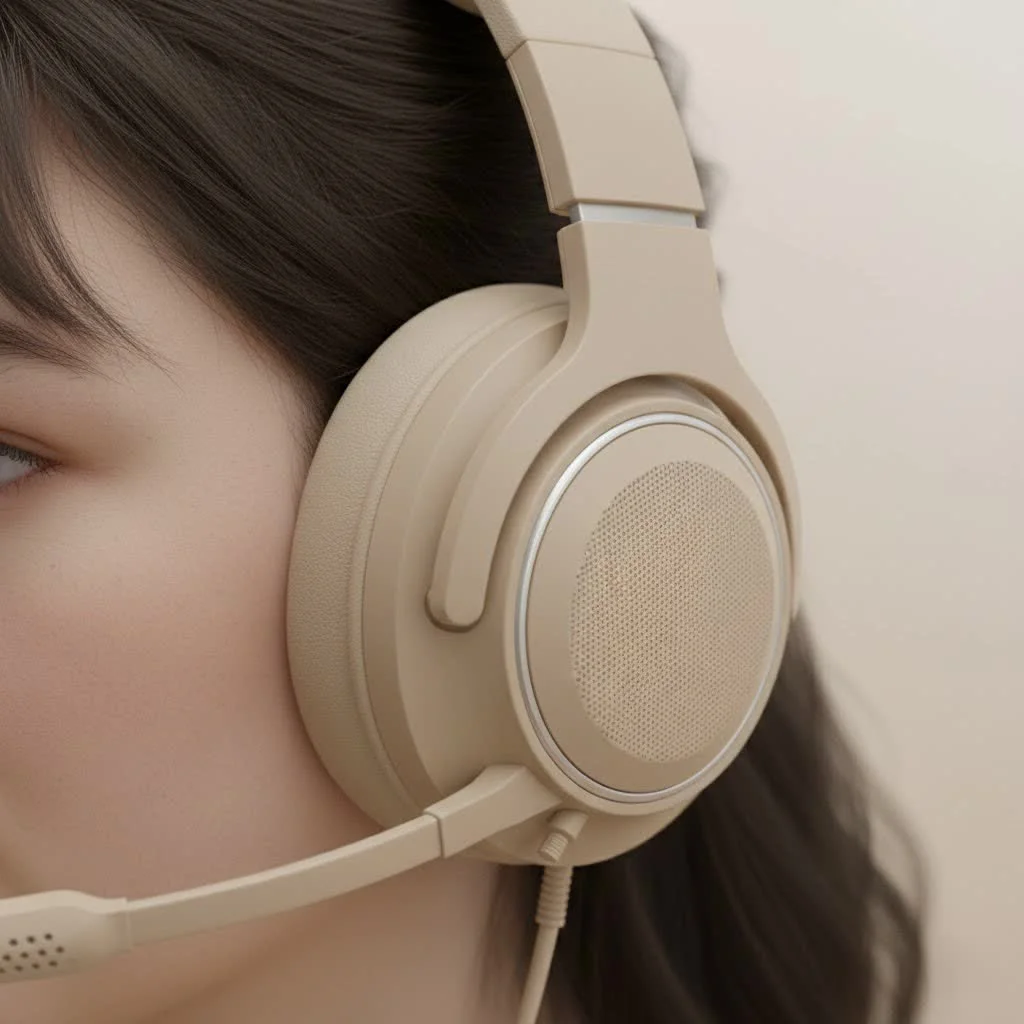
Why Go Wireless? The Freedom to Conquer
Remember the days of yanking your PC off the desk because you forgot you were tethered? Or tripping over cables mid-firefight? Those days are largely behind us. Modern wireless gaming headsets with mics offer unparalleled freedom, allowing you to move, stretch, or grab a drink without missing a beat in your game. But it’s not just about convenience; technological advancements have largely eradicated the traditional downsides of wireless audio, making it a viable—and often superior—choice for even the most competitive gamers.
Beyond the Hype: Essential Factors When Choosing Your Wireless Gaming Headset
Choosing the right headset isn’t just about picking the flashiest one. It’s about understanding the core components that elevate your gaming experience. As an official reviewer for Efuks.com, I consider these factors paramount:
Sound Quality: Hearing Every Footstep and Explosion
The heart of any great gaming headset lies in its audio fidelity. You need a headset that not only delivers booming explosions but also reproduces subtle details like distant footsteps or the rustle of leaves, giving you a crucial competitive edge.
- Drivers: The size and type of drivers (transducers that convert electrical signals into sound) significantly impact audio. Dynamic drivers are common and provide excellent all-around sound, while planar magnetic drivers, often found in premium models, offer exceptional clarity, tight bass, and a wider soundstage. Look for larger drivers (e.g., 50mm) for a more impactful experience.
- Spatial Audio: Technologies like Dolby Atmos, DTS Headphone:X, or proprietary solutions create a 3D soundscape. This isn’t just a gimmick; it allows you to accurately pinpoint the direction of sounds in a 360-degree environment, which is vital in tactical shooters and immersive RPGs.
- Frequency Response: While a wider frequency range (e.g., 20Hz-20kHz) is desirable, what truly matters is how balanced and accurate the sound profile is. A headset with overly boosted bass might make explosions epic, but it could mask critical mid-range sounds like dialogue or specific environmental cues.
- Open-Back vs. Closed-Back: Most gaming headsets are closed-back, offering good passive noise isolation, immersing you fully in the game. Open-back designs provide a more natural, airy soundstage and prevent your ears from overheating, but they also leak sound and let in ambient noise, making them better suited for quiet environments.
Microphone Performance: Your Voice, Crystal Clear
|
Our Picks for the Best Gaming Headset in 2026
As an Amazon Associate I earn from qualifying purchases.
|
||
| Num | Product | Action |
|---|---|---|
| 1 | Gtheos 2.4GHz Wireless Gaming Headset for PS5, PS4 Fortnite & Call of Duty/FPS Gamers, PC, Nintendo Switch, Bluetooth 5.3 Gaming Headphones with Microphone for Computer, Mobile, Stereo Sound (Camo) |

|
| 2 | Gtheos 2.4GHz Wireless Gaming Headset for PS5, PS4 Fortnite & Call of Duty/FPS Gamers, PC, Nintendo Switch, Bluetooth 5.3 Gaming Headphones with Mic, Stereo Sound, Red Light -BlackRed |
|
| 3 | Razer BlackShark V2 X PlayStation Gaming Headset: 50mm Drivers - Cardioid Mic - Lightweight - Comfortable Noise Isolating Earcups - for PS5, Xbox Series X, PC, Switch via 3.5 mm Jack - Quartz Pink |
|
| 4 | Razer BlackShark V2 X PlayStation Gaming Headset: 50mm Drivers - Cardioid Mic - Lightweight - Comfortable, Noise Isolating Earcups - for PS5, Xbox Series X, PC, Switch via 3.5 mm Audio Jack - White |
|
| 5 | Gtheos 2.4GHz Wireless Gaming Headset for PS5, PS4 Fortnite & FPS Gamers, PC, Nintendo Switch, Bluetooth 5.3 Gaming Headphones with Noise Canceling Mic, Stereo Sound, 40+Hr Battery (Pink) |
|
| 6 | Gtheos 2.4GHz Wireless Gaming Headset for PS5, PS4 Fortnite & Call of Duty/FPS Gamers, PC, Nintendo Switch, Bluetooth 5.3 Gaming Headphones with Microphone for Mobile, Stereo Sound (Blush Pink) |
|
| 7 | Razer BlackShark V2 X Gaming Headset: 7.1 Surround Sound - 50mm Drivers - Memory Foam Cushion - For PC, PS4, PS5, Switch - 3.5mm Audio Jack - Black |
|
| 8 | Gtheos 2.4GHz Wireless Gaming Headset for PS5, PS4 Fortnite & Call of Duty/FPS Gamers, PC, Nintendo Switch, Bluetooth 5.3 Gaming Headphones with Noise Canceling Mic, Stereo Sound, 40+Hr Battery -White |
|
| 9 | Razer BlackShark V2 X Gaming Headset: 7.1 Surround Sound - 50mm Drivers - Memory Foam Cushion - for PC, PS4, PS5, Switch - 3.5mm Audio Jack - Green |
|
| 10 | Gtheos 2.4GHz Wireless Gaming Headphones for PS5, PS4 Fortnite & Call of Duty/FPS Gamers, PC, Nintendo Switch, Bluetooth 5.3 Gaming Headset with Noise Canceling Mic, Stereo Sound, 40+Hr Battery -Black |
|
In team-based games, your voice is your most powerful weapon. A high-quality microphone ensures your teammates hear your callouts and strategies with absolute clarity, free from distortion or background interference.
- Noise Cancellation: Look for mics with active noise-cancelling (ANC) or environmental noise-cancelling (ENC) technology. These features intelligently filter out ambient sounds like keyboard clicks, fan hums, or even barking dogs, ensuring your voice is the only thing transmitted. Some advanced headsets even use AI for superior background noise suppression.
- Detachable vs. Ret retractable: Many wireless gaming headsets with mics offer a detachable or retractable boom mic. This is incredibly convenient, allowing you to remove or tuck away the mic when not needed, transforming your gaming headset into a stylish pair of headphones for everyday use.
- Polar Patterns: While most headset mics are unidirectional (cardioid), focusing on your voice from the front, some offer omnidirectional patterns. For clear team communication, a cardioid mic is generally preferred to minimize picking up unwanted sounds around you.
- Sampling Rate & Bit Depth: For truly broadcast-quality voice, look for mics with higher sampling rates (e.g., 48kHz) and bit depths (e.g., 16-bit or 24-bit). This captures more detail in your voice, making you sound richer and clearer.
Comfort for the Long Haul: Ergonomics Matter
Even the best-sounding headset is useless if it causes discomfort after an hour. As someone who routinely spends 8+ hours gaming, comfort is non-negotiable.
- Ear Cup Materials: Plush memory foam, breathable mesh fabric (like velour), or soft leatherette are common choices. Memory foam molds to your head, while mesh offers better airflow to prevent sweaty ears. Choose what feels best for your skin and climate.
- Headband Design: Adjustable headbands with suspension straps or ample padding distribute weight evenly, preventing pressure points on your skull. A lightweight design is always a plus for marathon sessions.
- Clamping Force: The headset should feel secure without squeezing your head too tightly. A balanced clamping force ensures stability and good sound isolation without causing fatigue.
Connectivity & Latency: Seamless Play, Zero Lag
Wireless technology has come a long way. The key is finding a connection that’s both reliable and fast enough to keep up with competitive gameplay.
- 2.4GHz Wireless: This is the gold standard for gaming. It uses a dedicated USB dongle to provide an ultra-low latency connection (often under 20ms), ensuring your audio is perfectly in sync with the on-screen action. This is crucial for competitive titles where split-second audio cues can mean victory or defeat.
- Bluetooth Connectivity: Many modern wireless gaming headsets with mics also include Bluetooth. This is fantastic for connecting to mobile devices, tablets, or even certain consoles for music, calls, or less latency-sensitive gaming. Look for Bluetooth 5.2 or 5.3 with support for advanced codecs like LE Audio, LC3plus, or LDAC for improved quality and efficiency.
- Simultaneous Connectivity: The holy grail for multi-device users! Some premium headsets allow you to connect via 2.4GHz wireless to your PC/console and Bluetooth to your phone at the same time. This means you can hear game audio while taking a call or listening to music without switching headsets.
- Platform Compatibility: Always double-check compatibility. While many headsets work across PC, PlayStation, and Nintendo Switch, Xbox often requires specific licensing. Some headsets offer multi-platform dongles with switches for seamless transitions between systems.
Battery Life: Power Through Marathon Sessions
The last thing you want is your headset dying mid-raid. Excellent battery life is a hallmark of a great wireless gaming headset with mic.
- Expected Hours: Most good wireless headsets offer 20+ hours of battery life. Premium models often push this to 40-70 hours, with some boasting an astonishing 100+ hours on a single charge.
- Fast Charging & Hot-Swappable Batteries: Fast charging can give you several hours of play from a short charge. A select few high-end headsets, like some SteelSeries models, even feature hot-swappable batteries, allowing you to swap a depleted battery for a fresh one in seconds, ensuring virtually infinite playtime.
Durability & Build Quality: Built to Last
Gaming gear takes a beating. A well-built headset can withstand the rigors of intense gaming sessions, travel, and accidental drops.
- Materials: Look for robust materials like steel reinforced headbands, high-quality plastics, and braided cables (if applicable). These materials contribute to longevity and a premium feel.
- Replaceable Parts: Headsets with replaceable ear pads or modular components are a huge plus, extending the life of your investment.
Navigating the Landscape: Wireless Headset Types and Features
While our focus is on wireless, it’s worth noting the distinction. Wired headsets historically offered lower latency and often better audio fidelity, but modern wireless gaming headsets with mics have largely closed that gap. You’ll primarily find two types of wireless connections:
- 2.4GHz Wireless: Best for gaming due to ultra-low latency. Requires a USB dongle.
- Bluetooth: Great for general use, mobile gaming, music, and calls. Higher latency than 2.4GHz, but often offers multi-device support.
Many top-tier headsets now combine both, giving you the best of both worlds. Whether you’re a budget-conscious gamer or looking to splurge on a premium experience, there’s a wireless headset out there for you. Budget options ($50-$100) offer solid performance, mid-range ($100-$200) provides a significant jump in features and quality, while premium headsets ($200+) deliver cutting-edge technology and audiophile-grade sound.
Efuks’ Expert Checklist: Your Path to the Perfect Headset
Ready to find your next wireless gaming headset with mic? Use this checklist from the experts at Efuks.com to guide your decision:
- Sound: Does it offer clear, detailed audio with good positional cues? Do you prefer closed-back for isolation or open-back for natural sound?
- Microphone: Is it noise-cancelling? Is your voice clear and crisp to teammates? Is it detachable or retractable?
- Comfort: Can you wear it for hours without fatigue? Check ear cup materials, headband design, and overall weight.
- Connectivity: Does it have low-latency 2.4GHz for gaming? Does it offer Bluetooth for mobile use? Does it support simultaneous connections?
- Battery Life: Does it meet your gaming session needs (20+ hours is a good baseline)? Are fast charging or hot-swappable batteries important to you?
- Compatibility: Is it compatible with all your gaming platforms (PC, PlayStation, Xbox, Switch)?
- Durability: Is it built with quality materials? Are parts replaceable?
- Price: Does it fit your budget, offering the best value for your chosen tier?
Expert Insight: What the Pros Say
“In competitive gaming, every millisecond and every clear comm counts. A premium wireless gaming headset with mic isn’t just about convenience; it’s about gaining an unfair advantage through pristine audio cues and flawless communication. Don’t compromise on your mic, it’s the lifeline to your team.” – Jake “Spectre” Miller, veteran esports analyst and professional coach.
FAQs: Your Top Questions Answered
Q: Is wireless latency still an issue for gaming?
A: For competitive gaming, dedicated 2.4GHz wireless connections have virtually eliminated noticeable latency, making them as fast and reliable as wired connections. Bluetooth still has higher latency, making 2.4GHz the preferred choice for critical gameplay.
Q: How important is a noise-cancelling microphone?
A: Extremely important for team-based games. A noise-cancelling microphone filters out distracting background noise from your environment, ensuring your voice is transmitted clearly to your teammates, which is crucial for effective communication and strategy.
Q: Can I use my wireless gaming headset with multiple devices?
A: Many modern wireless gaming headsets with mics offer dual connectivity (2.4GHz and Bluetooth), allowing you to connect to your PC/console and mobile devices. Some even support simultaneous audio from both sources, which is a fantastic feature.
Q: How much battery life do I really need?
A: It depends on your gaming habits. For casual gamers, 20-30 hours is usually sufficient. For marathon sessions or infrequent charging, aim for headsets offering 40+ hours, with premium models reaching well over 100 hours or featuring hot-swappable batteries.
Q: Are expensive wireless gaming headsets truly better?
A: Generally, yes. Higher price points often bring superior audio drivers, more advanced noise-cancelling microphones, premium build materials, longer battery life, and enhanced features like spatial audio or simultaneous multi-device connectivity. However, there are excellent mid-range options that offer great value.
Q: What’s the difference between virtual and hardware surround sound?
A: Virtual surround sound uses software to simulate a multi-speaker setup over stereo headphones. Hardware surround sound uses multiple drivers within each earcup to create discrete channels. Both can be effective, but modern virtual solutions, especially with personalized HRTF profiles, are often highly impressive.
Q: How do I properly maintain my wireless gaming headset?
A: Regularly clean the ear cups and headband with a damp cloth, especially if they are fabric. Keep the charging port free of dust, and store your headset safely on a stand when not in use. Ensure firmware is updated to get the latest performance improvements and bug fixes.
Elevate Your Game, Unleash Your Potential
Choosing the perfect wireless gaming headset with mic is more than just a purchase; it’s an investment in your gaming experience. It’s about gaining that critical edge through pristine audio, commanding your team with crystal-clear communication, and enjoying countless hours of comfort. At Efuks.com, we believe that with the right information, every gamer can find their ideal gear. Take these insights, explore the options, and confidently select a headset that will not only meet but exceed your expectations, transforming how you play. Now go forth, gamer, and may your comms always be clear, and your victories sweet!
Get our weekly buyer guide
Practical specs, not advice. Unsubscribe anytime.