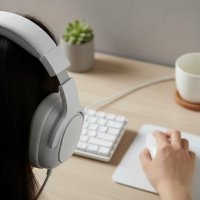
Alright, fellow gamers and audiophiles, let’s talk about something truly game-changing: noise cancelling gaming headsets. As someone who’s spent over a decade deep in the digital trenches and meticulously reviewing gear for Efuks.com, I can tell you that the right audio setup isn’t just a luxury; it’s a strategic advantage and a cornerstone of true immersion. Forget flimsy headphones that let your mom’s vacuum cleaner or your noisy roommates seep into your virtual battlefield. We’re here to cut through the static and find the headset that puts you squarely in the game.
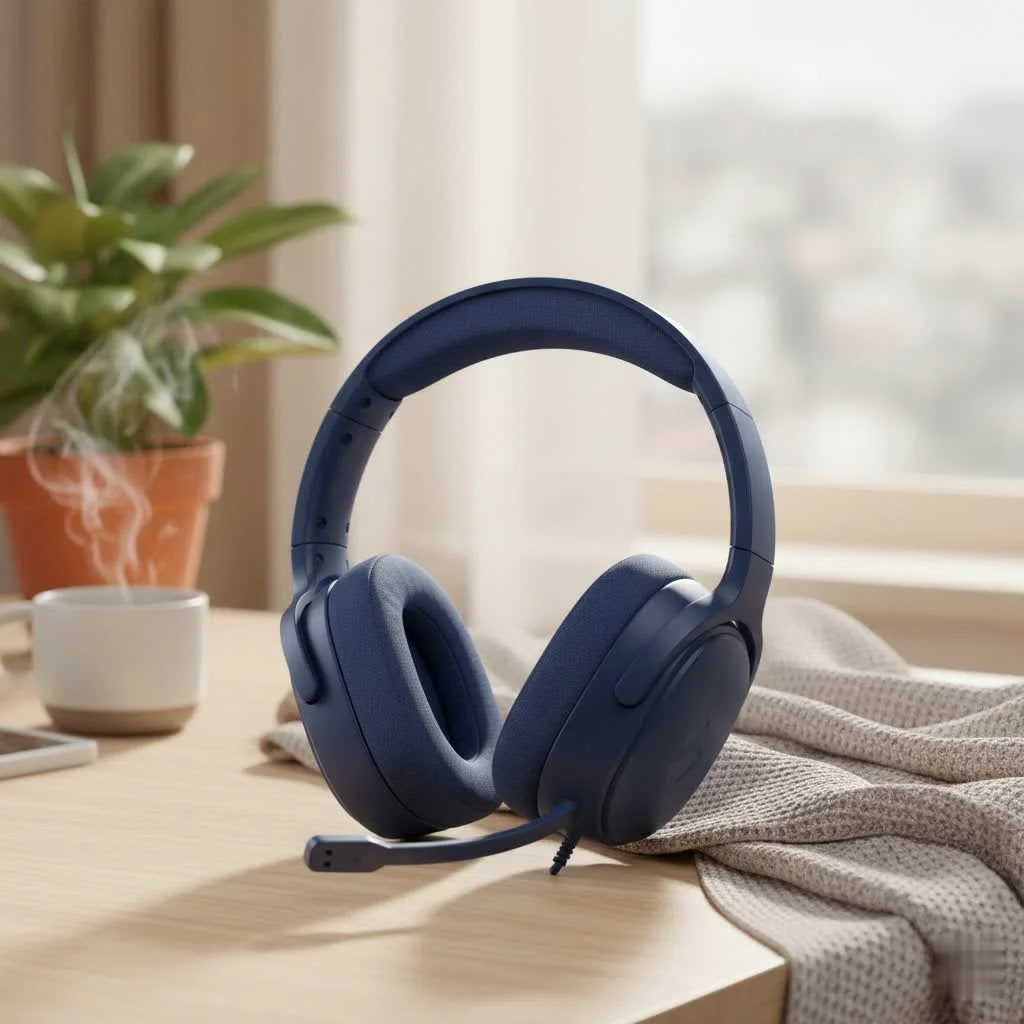
Why Noise Cancelling Isn’t Just a Gimmick for Gamers
Have you ever been mid-clutch in an FPS, straining to hear those crucial footsteps, only to be jolted by an unexpected sound from your real-world surroundings? Or perhaps you’re delving into a story-rich RPG, and the ambiance is ruined by the hum of your PC fan or distant chatter. That’s where a noise cancelling gaming headset becomes your secret weapon. It carves out a private sonic sanctuary, allowing you to focus purely on the intricate soundscape of your game. For competitive players, this means hearing every audio cue with pinpoint accuracy, reacting faster, and gaining a critical edge. For casual players, it means deeper immersion, letting you truly get lost in the game’s world without real-world distractions pulling you out.
Beyond performance, noise cancelling headsets also offer a significant benefit for your hearing. By blocking out external noise, they allow you to play at lower, safer volumes without sacrificing clarity, protecting your ears during those marathon gaming sessions. Plus, many come equipped with advanced microphones that filter out background noise, ensuring your teammates hear your commands crystal clear, not your mechanical keyboard or barking dog.
Active vs. Passive: Understanding the Two Noise Cancelling Warriors
When we talk about “noise cancelling,” it’s crucial to understand that there are two main approaches: Active Noise Cancellation (ANC) and Passive Noise Isolation (PNI). Both aim to silence the world, but they go about it in fundamentally different ways.
Active Noise Cancellation (ANC): The Digital Defender
Active Noise Cancellation is the high-tech wizardry that uses electronics to combat noise. Here’s how it works:
- Microphones: ANC headsets employ tiny microphones, typically both on the outside (feedforward) and inside (feedback) of the earcups. These microphones constantly listen to the ambient sounds around you and the sound that reaches your ear.
- Anti-Noise Waves: An onboard digital signal processor (DSP) analyzes these detected noises and then generates an “anti-phase” sound wave – essentially a mirror image of the incoming noise.
- Cancellation: When the original noise wave and the anti-noise wave meet, they cancel each other out through a process called destructive interference, leaving you with a significantly quieter environment.
ANC is particularly effective at tackling constant, low-frequency sounds like the drone of an airplane engine, the hum of an air conditioner, traffic noise, or a computer fan. Many advanced ANC systems, like Razer’s Hybrid ANC, combine feedforward and feedback microphones for more comprehensive noise reduction across a broader frequency range. Some even offer adaptive ANC, which automatically adjusts to your surroundings, or adjustable ANC, giving you manual control over the level of cancellation you need.
However, ANC isn’t a silver bullet. It generally performs less effectively against sudden, transient noises like voices, keyboard clicks, or a door slamming shut. It also requires power, meaning wireless ANC headsets will see a reduced battery life compared to using them with ANC off.
Passive Noise Isolation (PNI): The Physical Fortress
|
Our Picks for the Best Gaming Headset in 2026
As an Amazon Associate I earn from qualifying purchases.
|
||
| Num | Product | Action |
|---|---|---|
| 1 | Gtheos 2.4GHz Wireless Gaming Headset for PS5, PS4 Fortnite & Call of Duty/FPS Gamers, PC, Nintendo Switch, Bluetooth 5.3 Gaming Headphones with Microphone for Computer, Mobile, Stereo Sound (Camo) |

|
| 2 | Razer BlackShark V2 X PlayStation Gaming Headset: 50mm Drivers - Cardioid Mic - Lightweight - Comfortable, Noise Isolating Earcups - for PS5, Xbox Series X, PC, Switch via 3.5 mm Audio Jack - White |
|
| 3 | Gtheos 2.4GHz Wireless Gaming Headset for PS5, PS4 Fortnite & Call of Duty/FPS Gamers, PC, Nintendo Switch, Bluetooth 5.3 Gaming Headphones with Microphone for Mobile, Stereo Sound (Blush Pink) |
|
| 4 | Razer BlackShark V2 X Gaming Headset: 7.1 Surround Sound - 50mm Drivers - Memory Foam Cushion - for PC, PS4, PS5, Switch - 3.5mm Audio Jack - Green |
|
| 5 | Razer BlackShark V2 X Gaming Headset: 7.1 Surround Sound - 50mm Drivers - Memory Foam Cushion - For PC, PS4, PS5, Switch - 3.5mm Audio Jack - Black |
|
| 6 | Gtheos 2.4GHz Wireless Gaming Headphones for PS5, PS4 Fortnite & Call of Duty/FPS Gamers, PC, Nintendo Switch, Bluetooth 5.3 Gaming Headset with Noise Canceling Mic, Stereo Sound, 40+Hr Battery -Black |
|
| 7 | Gtheos 2.4GHz Wireless Gaming Headset for PS5, PS4 Fortnite & Call of Duty/FPS Gamers, PC, Nintendo Switch, Bluetooth 5.3 Gaming Headphones with Noise Canceling Mic, Stereo Sound, 40+Hr Battery -White |
|
| 8 | Gtheos 2.4GHz Wireless Gaming Headset for PS5, PS4 Fortnite & FPS Gamers, PC, Nintendo Switch, Bluetooth 5.3 Gaming Headphones with Noise Canceling Mic, Stereo Sound, 40+Hr Battery (Pink) |
|
| 9 | Gtheos 2.4GHz Wireless Gaming Headset for PS5, PS4 Fortnite & Call of Duty/FPS Gamers, PC, Nintendo Switch, Bluetooth 5.3 Gaming Headphones with Mic, Stereo Sound, Red Light -BlackRed |
|
| 10 | Razer BlackShark V2 X PlayStation Gaming Headset: 50mm Drivers - Cardioid Mic - Lightweight - Comfortable Noise Isolating Earcups - for PS5, Xbox Series X, PC, Switch via 3.5 mm Jack - Quartz Pink |
|
Passive Noise Isolation, often called passive noise cancellation or reduction, is the simpler, more physical approach. It doesn’t rely on electronics but rather on the design and materials of the headset to physically block sound waves.
- Physical Barrier: PNI utilizes elements like thick, dense earcups, a closed-back design, and plush foam padding that create a snug seal around your ears. The better the seal and the denser the materials, the more external sound is physically prevented from reaching your eardrums.
PNI excels at blocking mid-to-high frequency noises, such as human voices, nearby conversations, or the clatter of a keyboard. It’s generally more affordable, adds less weight to the headset, and doesn’t consume battery power. Many high-quality gaming headsets integrate strong passive isolation even if they also feature ANC, creating a formidable dual-layer defense against noise.
Ultimately, the best noise-cancelling gaming headsets often combine both active and passive technologies to deliver the most comprehensive sound blocking possible.
What to Look for: Your Checklist for Choosing the Perfect Headset
Picking the right noise cancelling gaming headset can feel overwhelming with so many options out there. As a seasoned reviewer, I’ve broken down the key factors you need to consider to make an informed decision:
1. Sound Quality: Hearing Every Detail
This is non-negotiable. A great gaming headset needs to deliver crisp, clear audio with a balanced sound profile.
- Positional Audio: Especially crucial for competitive games, look for headsets that offer excellent spatial audio (like virtual 7.1 surround sound or specialized solutions like THX Spatial Audio). This allows you to accurately pinpoint enemy footsteps, gunfire, or objective markers, giving you a tactical advantage.
- Driver Size & Tuning: Larger drivers (e.g., 50mm graphene-coated drivers) generally offer a broader frequency response and richer sound. Ensure the headset’s sound signature is tuned for gaming, providing clear mids for voice chat and impactful bass for explosions without muddying other crucial sounds.
- EQ Customization: The best headsets come with companion software (like Razer Synapse or SteelSeries Sonar) that allows for extensive EQ customization. This means you can fine-tune the sound to your personal preference or optimize it for specific game genres.
2. Microphone Quality: Be Heard Loud and Clear
Communication is key in team-based games. A poor microphone can be more frustrating than a slow internet connection.
- Noise-Cancelling Mic: Look for microphones with advanced noise-cancelling or noise-rejection features. These filter out your background environment, ensuring your voice is the only thing your teammates hear.
- Boom vs. Concealed: Boom microphones generally offer superior clarity and positioning. Some headsets feature retractable boom mics that tuck away when not needed, making them suitable for everyday use or work calls. Others integrate concealed beamforming mics, which can be convenient but may not always match the performance of a dedicated boom mic.
- Sampling Rate: A higher sampling rate (e.g., 48kHz) captures a more natural and detailed voice quality.
3. Comfort and Design: Game for Hours, Pain-Free
Even the most technologically advanced headset is useless if it causes discomfort during long gaming sessions.
- Over-Ear Design: Over-ear (circumaural) headsets are generally preferred for gaming as they fully enclose your ears, providing better passive isolation and comfort.
- Headband: Look for adjustable headbands with ample padding, suspension bands, or memory foam cushions for even weight distribution.
- Earcup Materials: Memory foam ear pads, often covered in breathable fabrics like velour, suede, or mesh, are excellent for comfort and reducing heat buildup. Leatherette can offer better passive isolation but may trap heat.
- Clamping Force & Weight: A headset shouldn’t feel like it’s squeezing your head. Look for a balanced clamping force and a lightweight design, especially if you wear glasses.
4. Connectivity: Seamless Gaming, Any Platform
Modern gaming setups are diverse, and your headset should be too.
- Wireless Options:
- 2.4GHz Wireless: This is the gold standard for gaming, offering ultra-low latency (as low as 10ms) for a lag-free experience.
- Bluetooth: Great for mobile gaming, connecting to Discord on your phone, or casual music listening.
- Dual Wireless: Some premium headsets allow simultaneous connection to both 2.4GHz (for game audio) and Bluetooth (for chat or music), which is incredibly convenient.
- Wired Options: A 3.5mm analog connection offers universal compatibility, while USB-C provides digital audio and often enables software features.
- Platform Compatibility: Always double-check if the headset explicitly supports your platforms (PC, PlayStation, Xbox, Nintendo Switch, Mobile). Xbox, in particular, often requires proprietary wireless technology.
5. Battery Life: Power Through Your Sessions
For wireless ANC headsets, battery life is a critical consideration. ANC circuitry consumes more power.
- ANC Impact: Expect battery life to roughly halve when ANC is enabled. A headset offering 70 hours with ANC off might only provide 35 hours with ANC on.
- Hot-Swappable Batteries: Some high-end models, like the Turtle Beach Stealth Pro or SteelSeries Arctis Nova Pro Wireless, feature hot-swappable battery systems, allowing you to swap out a depleted battery for a fresh one without interrupting your game.
- Quick Charging: Fast charging capabilities can get you back in the game quickly if you forget to charge.
6. Durability and Build Quality: Built to Last
Gaming gear takes a beating. Invest in a headset that can withstand the rigors of intense use.
- Materials: Look for reinforced headbands (steel or aluminum), sturdy hinges, and durable plastics.
- Cables: If wired, braided cables are more resistant to tangles and fraying.
- Modular Design: Replaceable ear pads or cables can extend the lifespan of your headset.
7. Software and Features: Unlock Full Potential
Companion software enhances your headset’s capabilities.
- EQ & Mic Tuning: As mentioned, software allows for deep customization of audio profiles and microphone settings.
- ANC Control: Adjusting ANC levels, activating transparency mode (to hear your surroundings without removing the headset), or toggling specific noise-cancelling profiles.
- Game/Chat Mix: Dedicated controls for balancing game audio and voice chat.
8. Price and Value: Your Budget, Your Choice
Noise cancelling technology often comes at a premium.
- Budget Considerations: Entry-level ANC headsets are becoming more accessible, but top-tier performance still commands a higher price. Consider your budget and prioritize the features most important to you. Sometimes, a headset with excellent passive isolation might be a better value than a budget ANC headset with mediocre performance.
My Perspective: The “Efuks” Takeaway
From countless hours with dozens of headsets, I’ve observed that the true magic of a noise cancelling gaming headset lies in its ability to transport you. It’s not just about blocking noise; it’s about enhancing your presence in the game. You hear details you might have missed before, your focus sharpens, and your communication with teammates becomes seamless.
“In the heat of battle, every audible cue is a lifeline,” notes gaming audio expert Dr. Anya Sharma. “A well-implemented noise cancelling headset doesn’t just silence distractions; it magnifies critical sounds, turning auditory information into actionable intelligence for the player.”
While ANC technology is still evolving in the gaming space, the advancements are undeniable. Manufacturers are continuously refining their approaches, offering hybrid systems and intuitive controls that cater specifically to gamers’ needs.
Frequently Asked Questions
Q1: What is the main difference between Active Noise Cancellation (ANC) and Passive Noise Isolation (PNI)?
A1: ANC uses microphones and electronic circuitry to generate anti-noise sound waves that cancel out external low-frequency sounds. PNI, on the other hand, relies on the physical design and materials of the headset (like thick earcups and a snug fit) to physically block sound waves, primarily affecting mid-to-high frequencies.
Q2: Is a noise cancelling gaming headset worth the extra cost?
A2: For competitive gamers, streamers, or anyone who plays in a noisy environment, a noise cancelling gaming headset is definitely worth the investment. The enhanced immersion, improved focus, and clearer communication can significantly elevate your gaming experience and even provide a competitive edge.
Q3: Does Active Noise Cancellation affect sound quality?
A3: In some cases, especially with lower-quality ANC implementations, active noise cancellation can subtly affect the overall sound signature, sometimes adding a slight hiss or altering frequency response. However, premium ANC headsets are engineered to minimize this impact, and many offer EQ customization to compensate.
Q4: Will a noise cancelling headset block out all sounds, including people talking?
A4: ANC is most effective against constant, low-frequency sounds. While it can reduce the loudness of voices, it won’t typically block them out entirely, especially sudden conversations. Passive Noise Isolation is generally better for blocking higher-frequency sounds like human speech or keyboard clicks.
Q5: Do noise cancelling gaming headsets drain battery faster?
A5: Yes, Active Noise Cancellation circuitry requires power, so wireless gaming headsets with ANC will generally have shorter battery life when ANC is enabled compared to when it’s turned off. It’s common to see battery life roughly halved with ANC active.
Q6: Can I use a noise cancelling gaming headset for non-gaming activities?
A6: Absolutely! Many premium noise cancelling gaming headsets are designed with versatility in mind. Their excellent sound quality and effective noise cancellation make them great for music listening, remote work, online meetings, or commuting, allowing you to enjoy your audio or focus in noisy environments.
The Final Word: Embrace the Quiet, Dominate the Game
The world of gaming is more immersive than ever, and a noise cancelling gaming headset is your ticket to experiencing it without compromise. It’s about more than just silencing distractions; it’s about unlocking new levels of focus, precision, and enjoyment. Whether you’re a pro esports player or simply someone who craves an undisturbed escape into virtual worlds, investing in a quality noise cancelling gaming headset will profoundly change how you play.
Don’t just hear the game; feel it, live it, and conquer it, all while the real world fades into a quiet hum. Now go forth, choose wisely, and let your ears lead you to victory!
Get our weekly buyer guide
Practical specs, not advice. Unsubscribe anytime.