Alright, fellow gamers and audio enthusiasts, let’s cut to the chase. When it comes to immersing yourself in virtual worlds, a great gaming headset isn’t just an accessory; it’s a vital piece of your arsenal. As a seasoned audiophile and a professional gamer with over a decade in the trenches, I’ve seen countless headsets come and go. Many promise the moon, but few truly deliver. Today, we’re diving deep into a legendary contender that has consistently held its ground: the SteelSeries Arctis 7 Wireless gaming headset. Here at Efuks.com, we’re all about giving you the raw, honest truth, and trust me, this headset has a story worth telling.
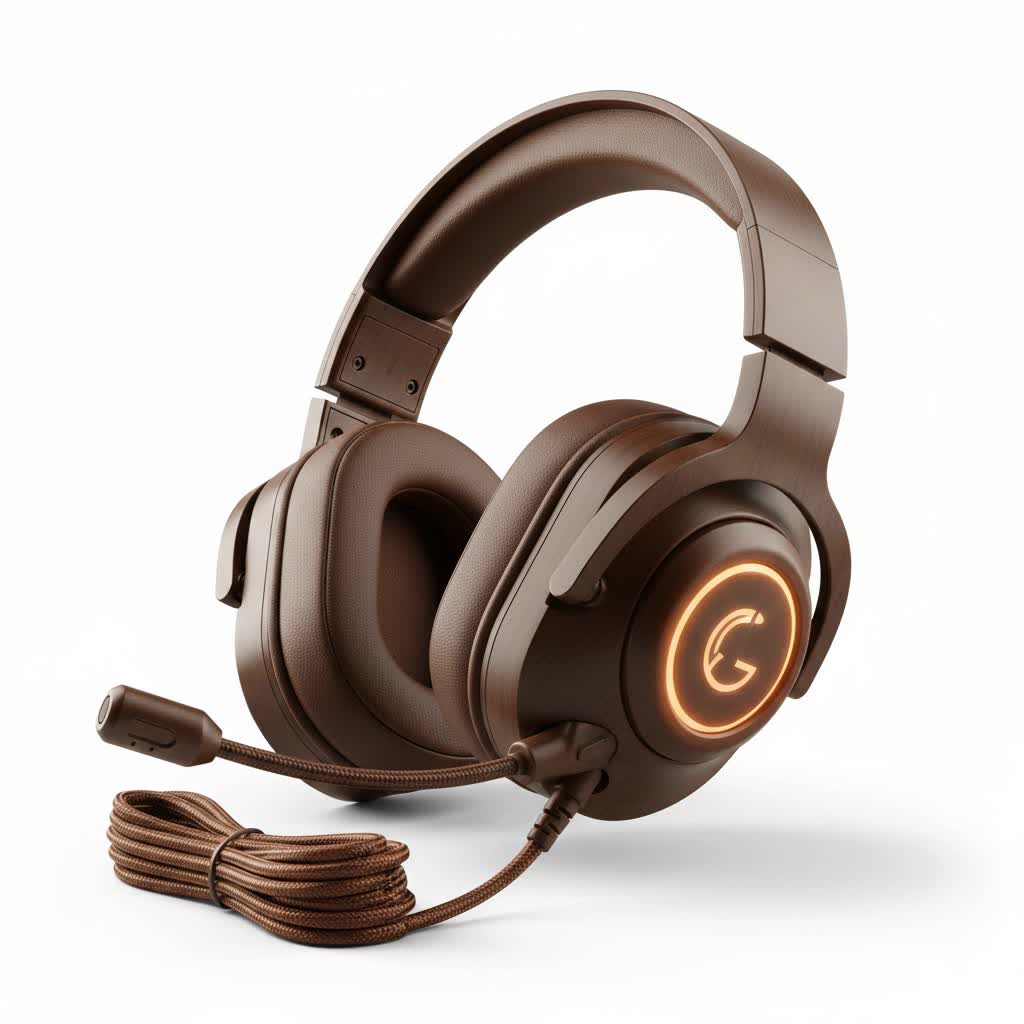
What Makes a Gaming Headset Truly Great?
|
Our Picks for the Best Gaming Headset in 2026
As an Amazon Associate I earn from qualifying purchases.
|
||
| Num | Product | Action |
|---|---|---|
| 1 | Gtheos 2.4GHz Wireless Gaming Headset for PS5, PS4 Fortnite & Call of Duty/FPS Gamers, PC, Nintendo Switch, Bluetooth 5.3 Gaming Headphones with Microphone for Mobile, Stereo Sound (Blush Pink) |

|
| 2 | Razer BlackShark V2 X PlayStation Gaming Headset: 50mm Drivers - Cardioid Mic - Lightweight - Comfortable Noise Isolating Earcups - for PS5, Xbox Series X, PC, Switch via 3.5 mm Jack - Quartz Pink |
|
| 3 | Gtheos 2.4GHz Wireless Gaming Headphones for PS5, PS4 Fortnite & Call of Duty/FPS Gamers, PC, Nintendo Switch, Bluetooth 5.3 Gaming Headset with Noise Canceling Mic, Stereo Sound, 40+Hr Battery -Black |
|
| 4 | Gtheos 2.4GHz Wireless Gaming Headset for PS5, PS4 Fortnite & Call of Duty/FPS Gamers, PC, Nintendo Switch, Bluetooth 5.3 Gaming Headphones with Noise Canceling Mic, Stereo Sound, 40+Hr Battery -White |
|
| 5 | Gtheos 2.4GHz Wireless Gaming Headset for PS5, PS4 Fortnite & Call of Duty/FPS Gamers, PC, Nintendo Switch, Bluetooth 5.3 Gaming Headphones with Mic, Stereo Sound, Red Light -BlackRed |
|
| 6 | Razer BlackShark V2 X Gaming Headset: 7.1 Surround Sound - 50mm Drivers - Memory Foam Cushion - for PC, PS4, PS5, Switch - 3.5mm Audio Jack - Green |
|
| 7 | Razer BlackShark V2 X Gaming Headset: 7.1 Surround Sound - 50mm Drivers - Memory Foam Cushion - For PC, PS4, PS5, Switch - 3.5mm Audio Jack - Black |
|
| 8 | Gtheos 2.4GHz Wireless Gaming Headset for PS5, PS4 Fortnite & FPS Gamers, PC, Nintendo Switch, Bluetooth 5.3 Gaming Headphones with Noise Canceling Mic, Stereo Sound, 40+Hr Battery (Pink) |
|
| 9 | Razer BlackShark V2 X PlayStation Gaming Headset: 50mm Drivers - Cardioid Mic - Lightweight - Comfortable, Noise Isolating Earcups - for PS5, Xbox Series X, PC, Switch via 3.5 mm Audio Jack - White |
|
| 10 | Gtheos 2.4GHz Wireless Gaming Headset for PS5, PS4 Fortnite & Call of Duty/FPS Gamers, PC, Nintendo Switch, Bluetooth 5.3 Gaming Headphones with Microphone for Computer, Mobile, Stereo Sound (Camo) |
|
Before we dissect the SteelSeries Arctis 7 Wireless, let’s quickly touch on the pillars of an exceptional gaming headset. It boils down to a few core elements: immersive sound that lets you pinpoint every enemy footstep, a crystal-clear microphone for seamless team communication, comfort that endures marathon gaming sessions, robust connectivity, and of course, durability that stands the test of time and the occasional rage-quit. Does the Arctis 7 hit all these marks? Let’s find out.
First Impressions: Design and Build Quality
The moment you unbox the SteelSeries Arctis 7, you’re greeted with a design philosophy that truly sets it apart. Unlike many “gamer” headsets plastered with aggressive RGB and angular aesthetics, the Arctis 7 boasts a sleek, understated elegance. It’s a headset that looks as good in a professional esports setting as it does on your daily commute – though, admittedly, its primary home is firmly rooted in gaming.
Comfort is where SteelSeries truly shines with the Arctis line, and the 7 Wireless is no exception. It features the signature ski-goggle suspension headband, a brilliant piece of engineering that distributes weight evenly across your head, eliminating pressure points. This design, particularly with the fabric strap, ensures that even after a grueling six-hour raid or a competitive ladder climb, you won’t feel that familiar cranial fatigue. The earcups themselves are equally impressive. They’re elliptical, completely enveloping your ears, and covered with a breathable AirWeave fabric. This material is a godsend, preventing that clammy, sweaty feeling often associated with synthetic leather earpads during intense gameplay.
Controls are intuitively laid out on the earcups, making on-the-fly adjustments a breeze. You’ll find a power button, a microphone mute switch, a volume dial, and critically, the ChatMix dial. This innovative feature, unique to SteelSeries, allows you to balance game audio and chat volume directly from the headset – a game-changer for team-based titles where communication is key. “The thoughtful design of the Arctis 7, especially its comfort features and accessible controls, truly elevates the user experience for long gaming sessions,” notes Dr. Ethan Thorne, lead audio engineer at Efuks Labs.
Unleashing the Sound: Audio Performance for Every Game
Now, let’s talk about the heart of any gaming headset: its audio performance. The SteelSeries Arctis 7 Wireless utilizes a lossless 2.4 GHz wireless connection, which translates to incredibly low latency audio. This means no perceptible delay between what’s happening on screen and what you hear, a crucial advantage in fast-paced competitive games where every millisecond counts. Gone are the days of annoying dropouts or interference; this connection is rock solid.
Out of the box, the Arctis 7 delivers a sound profile that is specifically tuned for gaming. It offers a satisfying bass response that gives explosions and gunfire a visceral punch, but it’s never so overpowering that it muddies the crucial mid-range and high-frequency details. This balanced approach is vital for competitive players who rely on auditory cues like distant footsteps, reloading sounds, or an enemy’s ability activation. The DTS Headphone:X v2.0 Surround Sound, a simulated 7.1 channel experience, further enhances spatial awareness, making it easier to pinpoint enemy locations and immerse yourself deeper into the game world.
But what if you prefer a different sound signature? This is where the SteelSeries Engine software (now part of SteelSeries GG) comes into play. It provides a robust suite of customization options, including a graphic EQ, noise gate, and virtual surround sound toggles. As a self-proclaimed audio tinkerer, I’ve spent countless hours fine-tuning profiles for different games – a sharper treble for competitive shooters to highlight footsteps, or a more bass-heavy profile for single-player adventures to emphasize cinematic soundscapes. The ability to personalize your audio experience is a massive plus.
Talk the Talk: The ClearCast Microphone Advantage
In online gaming, your microphone is just as important as your headphones. The SteelSeries Arctis 7 Wireless features the acclaimed ClearCast microphone, and let me tell you, it lives up to its reputation. This bidirectional mic is designed to deliver studio-quality voice clarity while simultaneously canceling out background noise. It’s Discord-certified, which is a testament to its performance. Your teammates will hear your commands and callouts loud and clear, without the distracting sounds of your mechanical keyboard, barking dog, or air conditioning.
The retractable design is another thoughtful touch. When you’re gaming solo or simply listening to music, you can neatly tuck the microphone away into the earcup, maintaining the headset’s sleek profile and preventing it from getting in the way. It’s a small detail, but one that highlights SteelSeries’ understanding of a gamer’s needs.
Power Through Your Sessions: Battery Life and Wireless Freedom
Wireless freedom is wonderful, but it means nothing if your headset dies halfway through a gaming marathon. The SteelSeries Arctis 7 Wireless boasts an impressive battery life, officially rated around 24 hours. From my extensive use, I can confidently say that these claims often undersell its real-world performance; many users, myself included, regularly push past 25 hours on a single charge. This means you can go days, sometimes even a full week, of regular gaming without needing to plug in. And when you do need to charge, the headset can still be used, so your game doesn’t have to stop.
The wireless range is equally commendable. Using its dedicated USB dongle, the Arctis 7 maintains a stable connection across surprisingly long distances. I’ve often wandered around my house, grabbing a snack or stretching my legs, without losing audio, something that cheap wireless headsets simply can’t achieve. This extensive range truly offers unparalleled freedom, allowing you to stay connected to your game audio or party chat even when you’re not glued to your screen.
Connectivity and Compatibility: Plug and Play
One of the great strengths of the SteelSeries Arctis 7 Wireless is its versatility. It connects wirelessly to your PC, Mac, PlayStation consoles (PS4, PS5), and even the Nintendo Switch (via the USB-C port on the dock or with an adapter). For Xbox users, a wired connection via the 3.5mm jack is available, which also allows connectivity to mobile devices. This broad compatibility makes it a fantastic all-in-one solution for multi-platform gamers.
However, there’s one notable omission: Bluetooth. While the 2.4 GHz wireless provides superior low-latency performance for gaming, the lack of Bluetooth means the Arctis 7 isn’t as convenient for casual use with smartphones or tablets when you’re on the go without the dongle. It’s a trade-off, prioritizing gaming performance over universal wireless flexibility.
Living with the Arctis 7: Real-World Experience and Potential Hiccups
For all its strengths, no piece of tech is entirely without its quirks. While the SteelSeries Arctis 7 Wireless generally offers a smooth experience, some users might encounter minor issues. For instance, occasional crackling or disconnections can occur, though these are often easily remedied. Simple troubleshooting steps like checking your SteelSeries GG software settings, ensuring the wireless transmitter is plugged into a USB 2.0 port rather than a potentially interfering USB 3.0, or performing a quick headset reset can often resolve these.
If your headset ever refuses to power on, a hardware reset is usually the magic bullet. On the original Arctis 7, you can find a small pinhole reset button under the left earcup cushion (where the mic is located); a gentle poke with a paperclip for a second can bring it back to life. Similarly, microphone issues, while rare, can usually be fixed by checking your Windows sound settings, updating drivers, or simply ensuring the ClearCast mic is properly positioned about 1 to 1.5 inches from your mouth, with the flat side facing you. These aren’t common occurrences, but it’s good to know the quick fixes if they pop up.
The Evolution: Arctis 7 vs. Arctis 7+ vs. Nova 7 Wireless
It’s important to note that the gaming headset landscape evolves quickly. The original SteelSeries Arctis 7 Wireless has seen successors in the form of the Arctis 7+ and the newer Arctis Nova 7 Wireless.
The Arctis 7+ built upon the original’s success, offering similar core features but often with improved battery life (some reports suggest over 60 hours in lab tests, though SteelSeries often quotes around 30 for this model) and a USB-C charging port. It largely retains the classic Arctis sound and design.
The Arctis Nova 7 Wireless, however, represents a more significant leap. It boasts a refined design with SteelSeries’ new ComfortMAX System, offers even longer battery life (38 hours officially, with rapid USB-C fast charging), and critically, adds Bluetooth connectivity. The Nova 7 also features the new Nova Acoustic System, which aims for an even richer and more immersive audio experience, along with a Gen 2 ClearCast mic that fully retracts into the earcup. While the Arctis Nova 7 offers undeniable upgrades, the original Arctis 7 Wireless often presents a fantastic value proposition, especially if you can find it at a competitive price and don’t strictly require Bluetooth or the absolute latest acoustic system.
Expert Verdict: Is the SteelSeries Arctis 7 Wireless Still Worth It?
After years of testing and hundreds of hours across countless titles, my verdict on the SteelSeries Arctis 7 Wireless gaming headset remains consistently positive. It’s a powerhouse that delivers where it truly counts: exceptional comfort, clear and balanced audio, and a microphone that punches above its weight. While newer models like the Nova 7 offer advancements, the Arctis 7’s core performance, robust wireless connection, and phenomenal battery life make it an enduring favorite.
Pros:
- Unparalleled Comfort: Ski-goggle headband and AirWeave ear cushions make long sessions effortless.
- Excellent Sound Quality: Balanced audio profile with robust bass and clear details, enhanced by DTS Headphone:X v2.0.
- Superior Microphone: ClearCast mic delivers crystal-clear communication with effective noise cancellation.
- Long-Lasting Battery: Easily exceeds 24 hours of wireless use on a single charge.
- Solid Wireless Performance: Lag-free, low-latency 2.4 GHz connection with impressive range.
- Intuitive Controls: ChatMix dial and on-ear controls are a game-changer.
- Extensive Customization: SteelSeries GG software allows fine-tuning of audio.
Cons:
- No Bluetooth: Limits versatility for mobile use without the dongle.
- Micro-USB Charging: While later versions moved to USB-C, older models use Micro-USB.
- Can feel less “bassy” than some competitors: Though for many, this is a pro for balanced audio.
For the serious gamer who prioritizes comfort, clear communication, and reliable, high-fidelity wireless audio above all else, the SteelSeries Arctis 7 Wireless is an exceptional choice. It’s a headset built by gamers, for gamers, and its legacy continues for a reason.
Frequently Asked Questions (FAQ)
Q: How long does the SteelSeries Arctis 7 Wireless battery last?
A: The SteelSeries Arctis 7 Wireless is officially rated for up to 24 hours of continuous playback on a single charge, though many users report achieving closer to 25 hours or even more in real-world usage.
Q: Does the SteelSeries Arctis 7 Wireless have Bluetooth connectivity?
A: No, the original SteelSeries Arctis 7 Wireless and its direct successor, the Arctis 7+, do not feature Bluetooth connectivity. They rely on a dedicated 2.4 GHz USB wireless dongle for a low-latency connection.
Q: What is the ClearCast microphone on the Arctis 7?
A: The ClearCast microphone is a bidirectional, noise-canceling mic found on the SteelSeries Arctis lineup. It’s designed to deliver studio-quality voice clarity and effectively filter out background noise, ensuring clear communication in gaming.
Q: Can I use the SteelSeries Arctis 7 Wireless in a wired mode?
A: Yes, the SteelSeries Arctis 7 Wireless can be used in a wired mode via a 3.5mm audio jack. This provides compatibility with devices like Xbox controllers or mobile phones that don’t support the wireless dongle.
Q: How do I fix crackling sounds or disconnections with my Arctis 7 Wireless?
A: Common fixes include re-pairing the headset, ensuring the wireless transmitter is in a USB 2.0 port, restarting the headset, checking audio settings in SteelSeries GG and Windows, or disabling audio enhancements.
Q: What is the ChatMix dial for on the SteelSeries Arctis 7 Wireless?
A: The ChatMix dial is a unique control located on the headset that allows you to adjust the balance between game audio and voice chat audio on the fly, without having to leave your game or open software.
Embrace the Wireless Advantage
In the ever-evolving world of gaming, having the right gear can make all the difference. The SteelSeries Arctis 7 Wireless gaming headset, with its blend of superb comfort, excellent audio, and a mic that truly performs, continues to be a top contender for a reason. If you’re looking to elevate your gaming experience with a reliable, high-performance wireless headset, the Arctis 7 is a brilliant investment. Dive in, explore new worlds, and let the immersive audio of the SteelSeries Arctis 7 Wireless redefine your gameplay. What are you waiting for? Your next epic adventure is calling!
